
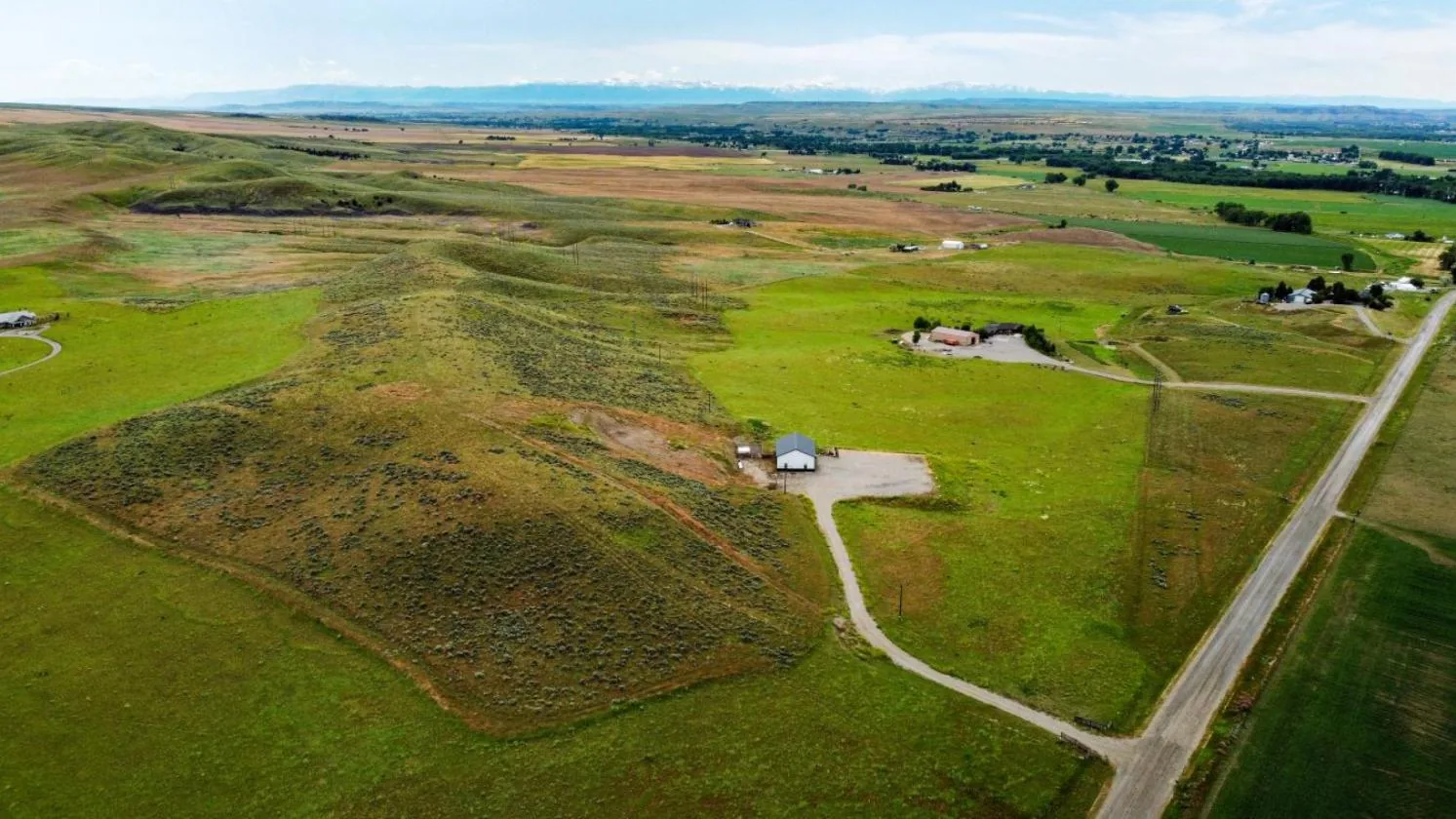
Cistern or Well: Which Fits a Rural Montana Home?
A drilled well is the common answer where the ground gives enough good water. The state’s well database lists 3,852 wells with household use in Stillwater County alone. A buried water cistern fits where wells run very deep or the water tests poorly.
One national cost guide puts a complete 200-foot well at $6,000 to $16,000 or more. The same publisher puts a buried cistern system at $6,500 to $24,000 or more, by size. Those are market numbers, not our price list. A cistern also brings a water hauling bill for as long as you use it.
IP Construction does cistern installation for rural homes around Reed Point, from Billings to Bozeman. We dig the hole, bed and set the tank, then backfill and cover it. A licensed water well contractor drills wells, and a water hauler fills cisterns.
What do a well and a cistern cost?
These ranges come from national cost guides, plus one state fee. They are market numbers, not our price list.
| What you pay for | Published range | What it covers |
|---|---|---|
| Complete well, 200 feet deep | $6,000 to $16,000+ | Drilling, casing, pump, wiring and permits |
| Complete well, 400 feet deep | $12,000 to $32,000 | The same pieces, twice as deep |
| Drilling only | $20 to $30 per foot | The hole, before the pump and wiring |
| Lab water test | $100 to $350 | One laboratory test |
| Notice of Intent (Form 602I) | $400 | Montana’s form fee for an exempt well |
| Buried cistern system | $6,500 to $24,000+ | Tank and install, by size |
| Plastic cistern tank | $800 to $6,000 | Polyethylene, tank only, 250 to 10,000+ gallons |
| Concrete cistern tank | $1,100 to $6,800 | Tank only, 600 to 10,000+ gallons |
| Fiberglass cistern tank | $5,000 to $9,000 | Tank only, 300 to 20,000+ gallons |
| Digging the hole for a buried tank | $1,000 to $5,000 | Excavation only |
A well is priced mostly by the foot, so depth drives the bill. Cistern cost follows the tank size and the hole. The cistern rows come from rainwater pricing, so read them as a ballpark for the tank and the dig. Another national guide says a buried cistern generally runs more than $5,000, for the equipment and labor the dig takes.
When does a well make sense?
A well makes sense when water sits within reach and the well gives enough of it. Check the drillers’ well logs near your land first. The Montana Bureau of Mines and Geology keeps them in GWIC, the state’s central groundwater database.
In November 2026, GWIC listed 6,098 wells of every kind in Stillwater County. About two in three were under 100 feet deep, but 69 went past 1,000 feet. In Sweet Grass County, a bit over half of 2,417 wells were under 100 feet.
Montana law puts a licensed water well contractor in charge of all well construction. From January 1, 2026, you must file a Notice of Intent (Form 602I) before using water from an exempt well. Exempt wells stay at or under 35 gallons per minute and 10 acre-feet a year. DNRC, the state water rights agency, charges $400 and reviews a complete form within 10 business days.
Once the water is in use, you file a Notice of Completion (Form 602). These rules have shifted in court and in the Legislature, so check DNRC’s current page before you drill.
Then test the water. The EPA says to test a private well every year for total coliform bacteria, nitrates, total dissolved solids and pH.
When is a cistern the better choice?
Montana DEQ wrote its cistern standard, Circular DEQ-16, for places with limited access to wells and springs. It covers noncommunity public water systems, and it makes a good yardstick for a home tank.
A cistern makes sense when the logs near you show very deep wells. It also fits when a well’s yield, the gallons per minute it gives, falls short of what the house needs. Poor test results on a new well point the same way. So does a cabin with light water use, since fewer loads keep the hauling bill down.
What size and material should a water cistern be?
The USGS puts indoor use at about 80 to 100 gallons per person per day. Montana’s standard sizes a hauled-water cistern for at least three days of average use. For a family of four, that is 960 to 1,200 gallons. A bigger tank stretches the time between loads.
The state’s domestic cistern fact sheet adds a caution. Usable capacity is usually less than the tank’s total volume, so size up.
The standard allows precast concrete, cast-in-place concrete, polyethylene or fiberglass. Plastic can be cost-effective under 1,500 gallons and at remote sites. Fiberglass is cost-effective from 2,000 to 30,000 gallons, and cast-in-place concrete above 5,000. Any of them must be watertight and made for drinking water.
How deep does a cistern go in a Montana winter?
The state’s standard wants the top of the tank, lids aside, deep enough to prevent freezing. Where snow cover is not dependable, the top gets high-density insulation board. One inch of that board counts for about one foot of earth.
For scale, state building rules set footings at least three feet below finished grade. That covers a one-story frame building outside towns and counties with their own code programs.
Concrete cisterns built to the state’s standard must carry the load of six feet of burial. Plastic tanks follow the maker’s limits.
One maker’s 2,500-gallon underground tank allows no more than 24 inches of soil on top. It must also stay a quarter full while buried. So a plastic tank may need foam board where a concrete one gets more dirt.
Two parts stay above ground. The access lid rises at least 24 inches above grade, and the vent clears the expected snow.
The tank bottom must sit above the groundwater table. The standard keeps a cistern at least 50 feet from a drainfield and 25 feet from a septic tank. Planning a new septic system on the same lot? Lay out both at once.
Who fills a cistern, and how often?
A water hauler fills it. Montana’s standard calls for water from a public water supply, carried in a clean tank used only for drinking water. Ask the hauler where the water comes from and what a load costs.
How often depends on use. At the USGS rate, a family of four empties a 2,500-gallon tank in about six to eight days.
Plan on upkeep as well. A new tank gets cleaned and disinfected before its first fill. After that, the standard suggests a full clean and disinfection about every five years.
Well or cistern: what comes next?
Start with the well logs near your land and a talk with a licensed water well contractor. If the logs point to a deep or doubtful well, price a cistern next. See buried water cistern installation for how we set and bury the tank.
Building on raw land? Settle the water plan before the house plans are final. Our custom home building runs from the dirt work through the roof. For the whole budget, see what it costs to build a house in Montana.
Call or text (808) 561-7893 for a free estimate. We put the quote in writing, and it spells out what is included.