Culverts
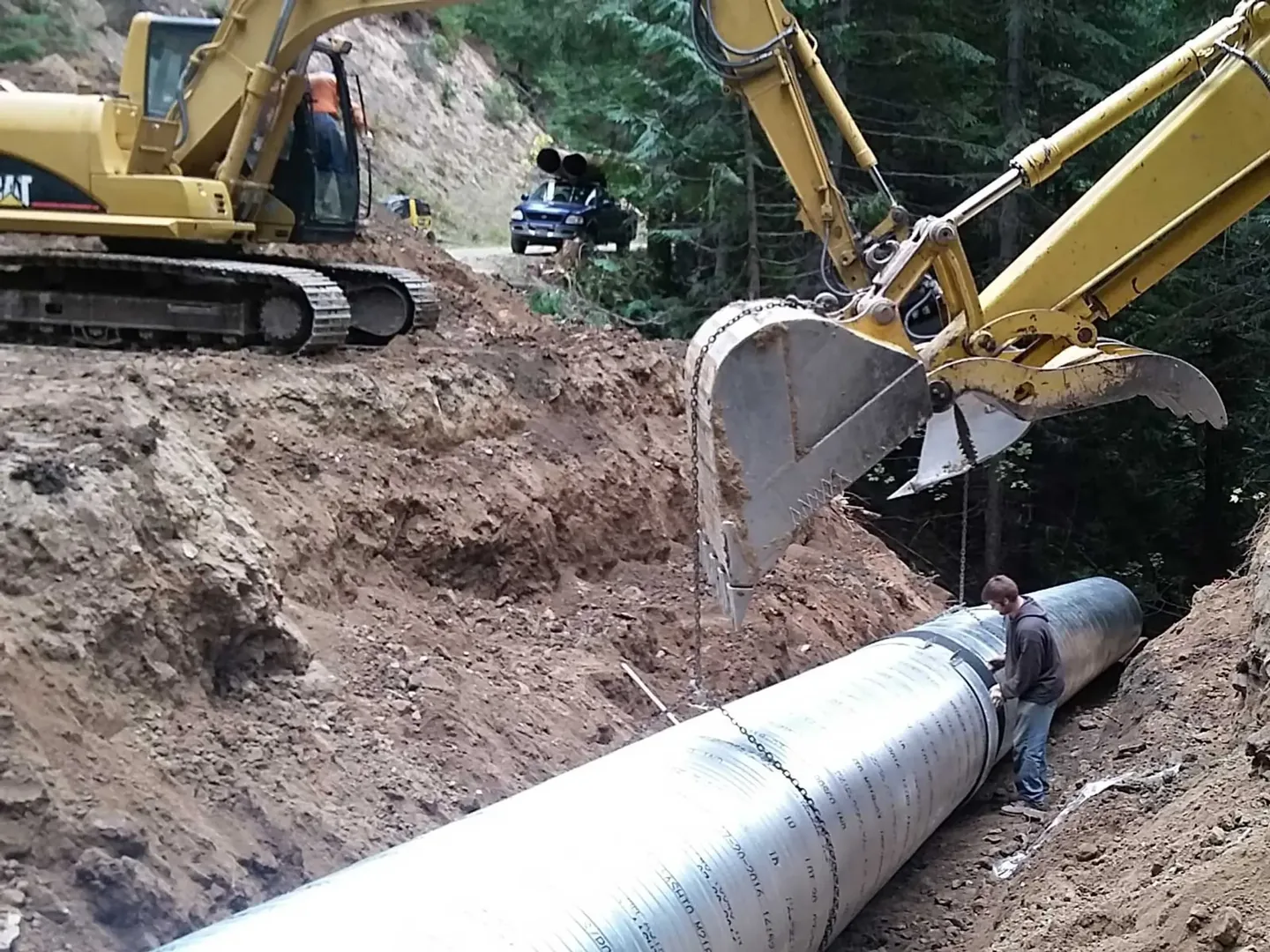
We set culverts under driveways and private roads so water passes under and the road stays put. Each pipe goes on a firm bed at the slope of the ditch.
Learn More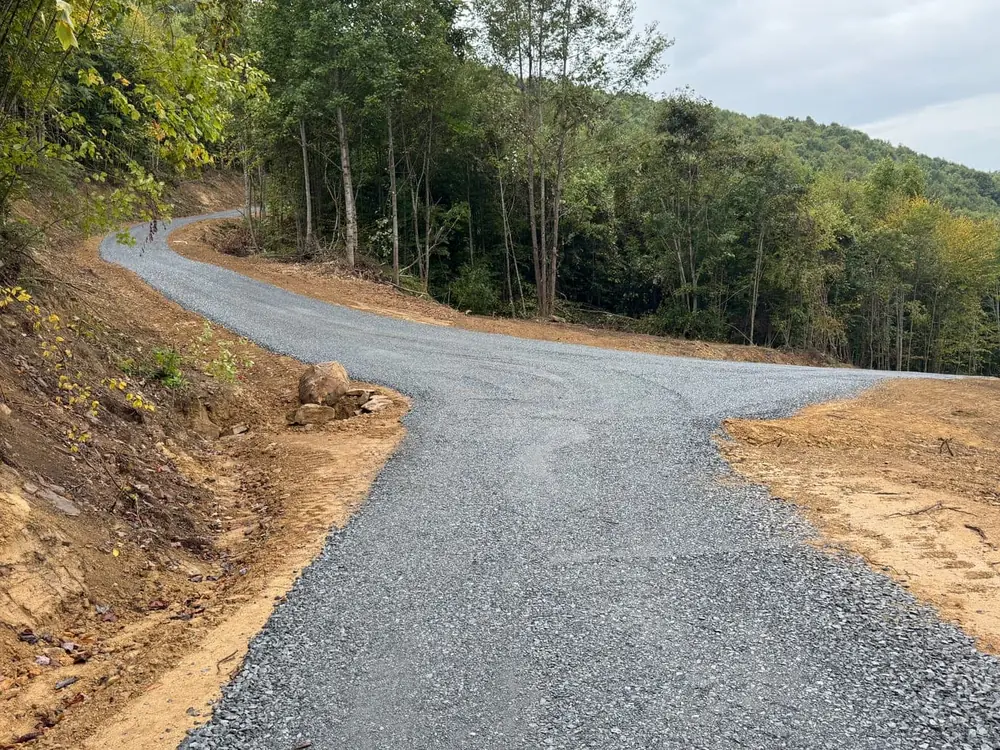
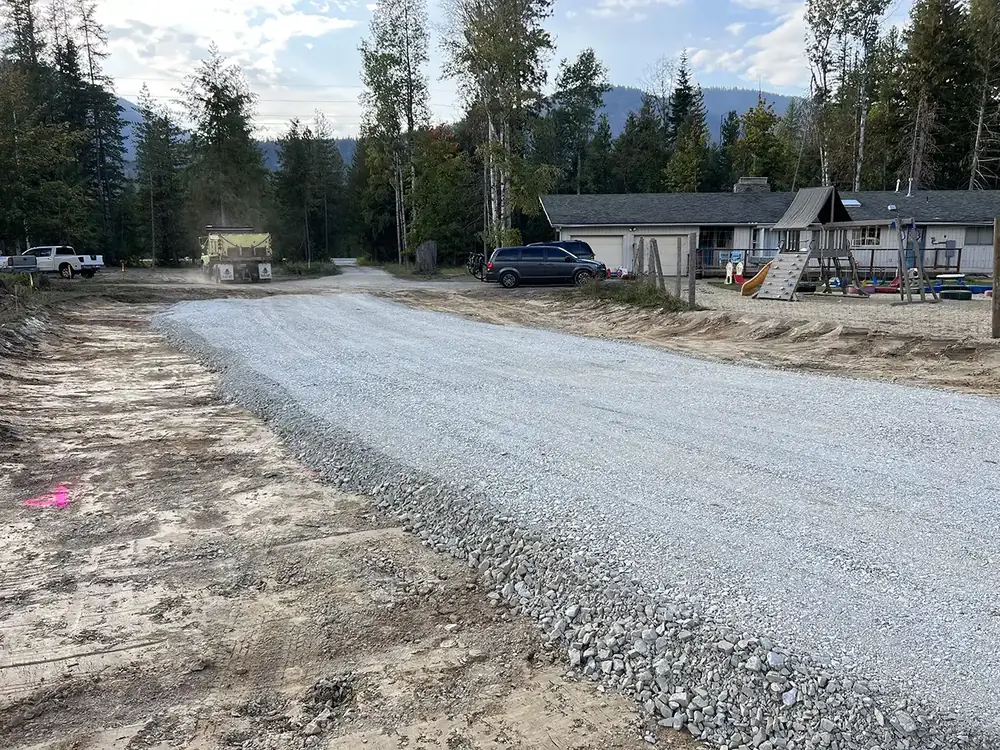
A gravel driveway on rural land has to carry heavy trucks through spring mud and winter frost. IP Construction builds gravel driveways and private roads for homes and rural property around Reed Point. We cut the route and build the base. The gravel is brought in, and we shape the crown and the ditches with our own grader and bulldozer.
Reed Point sits at the center of our service area, about 100 miles around, from Billings to Bozeman. A new driveway is often the first piece of excavation and dirt work on a building site. Where brush and trees stand in the way, clearing the land comes before the cut.
Tell us about the septic system, foundation, driveway or new home and where the property is. We look at the job and put a free estimate in writing.
Gravel driveway installation starts with the soil, the foundation of any road. We strip the topsoil and sod off the route. The Federal Highway Administration's gravel roads guide says organic matter is never good for a road surface. Soft, wet spots get dug out and filled with sound material.
Next the base goes down in layers, and each layer is compacted before the next one. Gravel packs tightest when it is damp, so dry material may need water first. The top layer is surface gravel, a different mix from the base under it.
Surface gravel needs more fine, dust-sized material than base gravel. The fines bind the stone into a hard crust that sheds water. Crushed stone with broken faces locks together. Rounded natural stone shifts more easily under loads.
Water does the most damage to a gravel road. Drainage comes first, in building a road and in keeping it up. Water that soaks in under the gravel softens the ground. Ruts and potholes follow.
A crown shapes the road like the roof of a house, so water runs off both sides. The federal guide recommends about half an inch of rise per foot, near 4 percent. It advises against going past 6 percent. A flat or rounded top holds water in the middle, and potholes form there.
Ditches carry the water away from the road. The guide calls the roadside ditch the most important drainage feature on a rural road. Where the driveway crosses a low spot or a roadside ditch, a culvert under the driveway lets the water pass.
Road construction on rural land follows the same steps as a driveway, often over a longer route. Montana law puts the 811 call on whoever does the digging, and ditching counts as digging. Lines on your side of the meter, like a line to a shop or a well, may not get marked. Point those out before work starts.
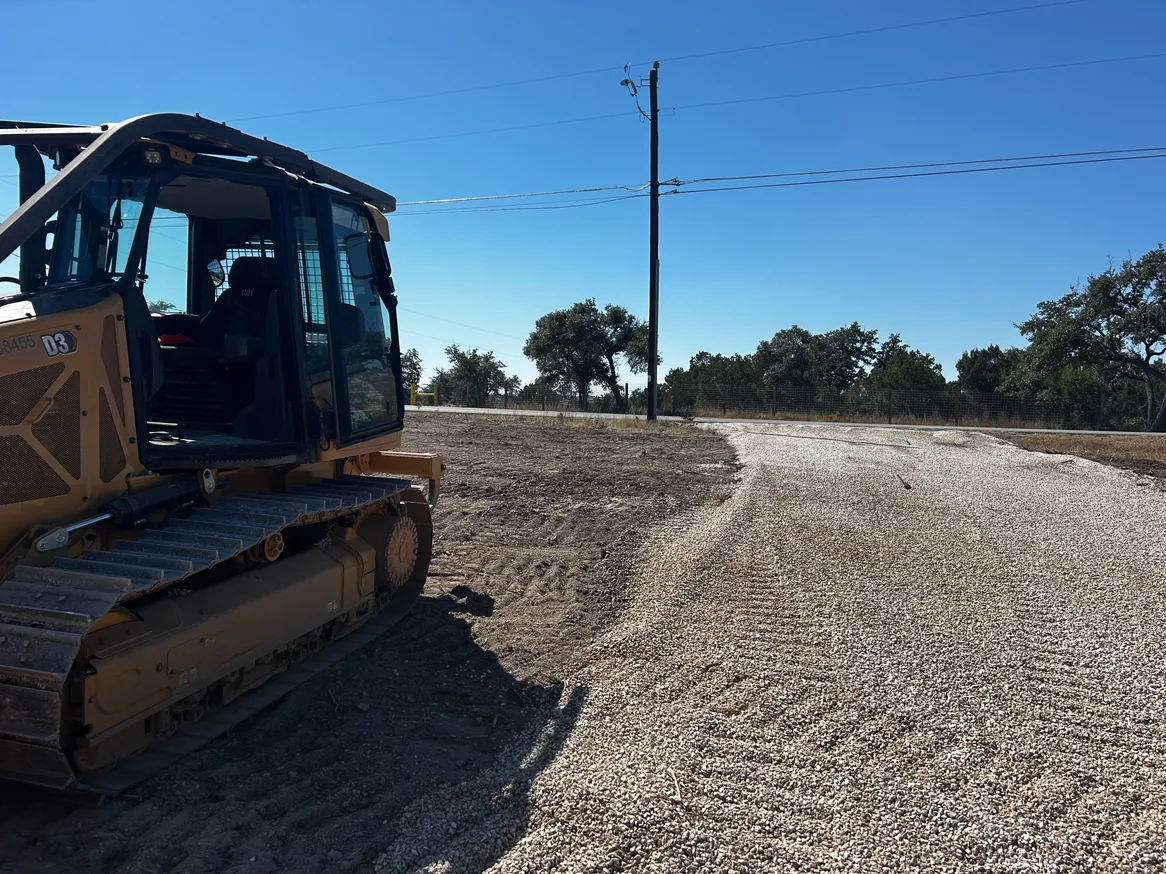
Road grading brings a worn gravel road back to shape. Traffic throws loose gravel to the edges, where it builds a berm. The guide calls that berm a secondary ditch, because it keeps water on the road. Grading pulls the gravel back onto the road and restores the crown.
Spring suits road grading, since the ground often holds moisture then. In cold country, spring thaw is also when a weak road starts to fail. A soft spot gets dug out and rebuilt before new gravel goes on top.
Call or text for a written quote. We work about 100 miles around Reed Point across Stillwater, Sweet Grass, Yellowstone, Park, Gallatin and Carbon Counties.
(808) 561-7893From the first call or text to the finished work, here is how it goes.
Call or text (808) 561-7893, or send the form. Tell us what the job is and where the land is.
We look at the ground and how the machines will reach the work. Show us any plans you have and any buried lines you know of.
Your free estimate lists the work, in writing. When you say yes, the job goes on the schedule.
We do the work the quote lists. On a new home, the site work and the foundation come first.
Holes and trenches get backfilled, and the ground gets graded. Then we go over the finished job with you.
Common questions about gravel driveways around Reed Point and the country between Billings and Bozeman. If yours is not here, call or text and ask.
We set culverts under driveways and private roads so water passes under and the road stays put. Each pipe goes on a firm bed at the slope of the ditch.
Learn More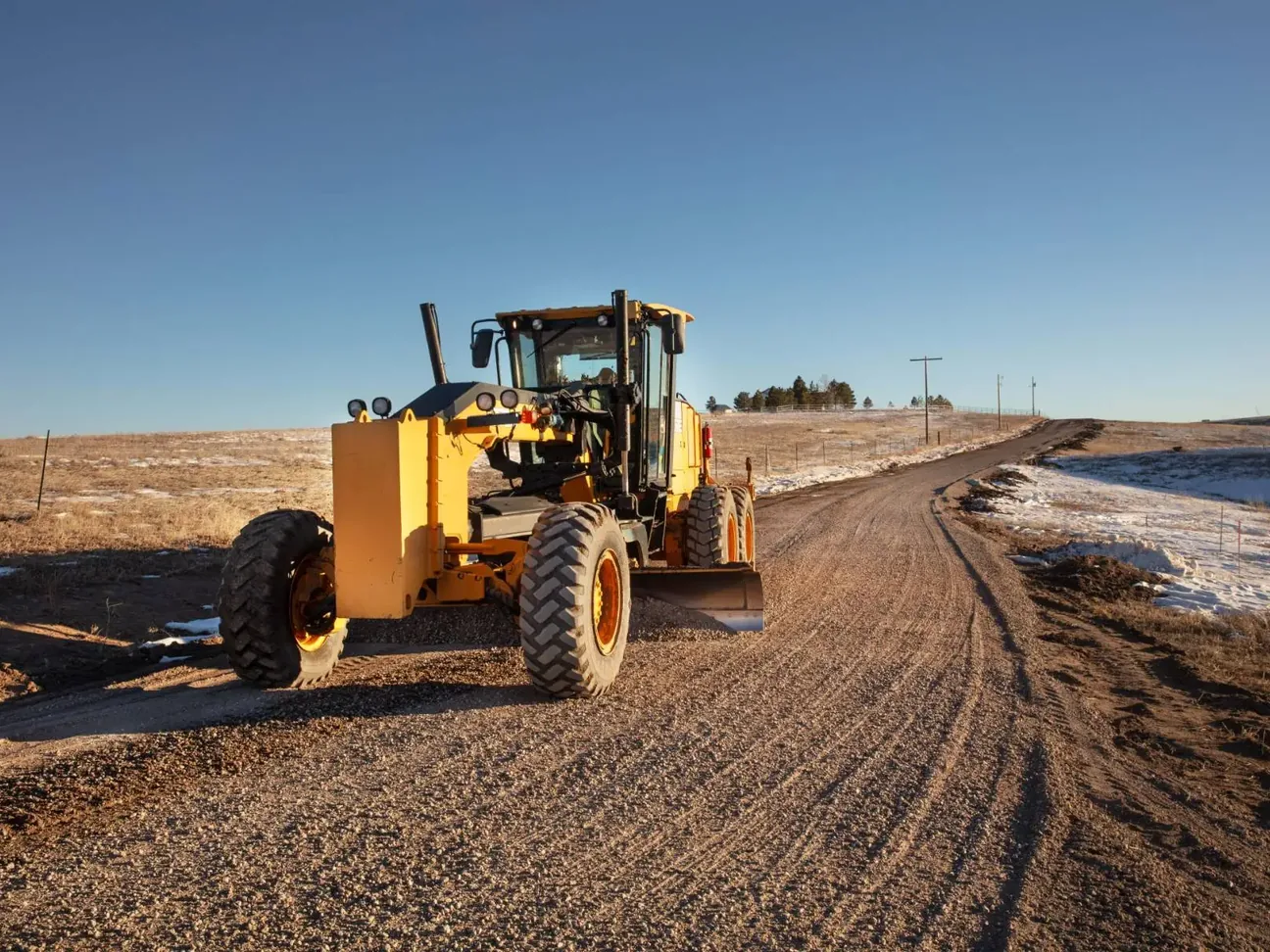
We grade building pads and yards with our own grader and bulldozer. Each one gets a slope that sends water away from the house.
Learn More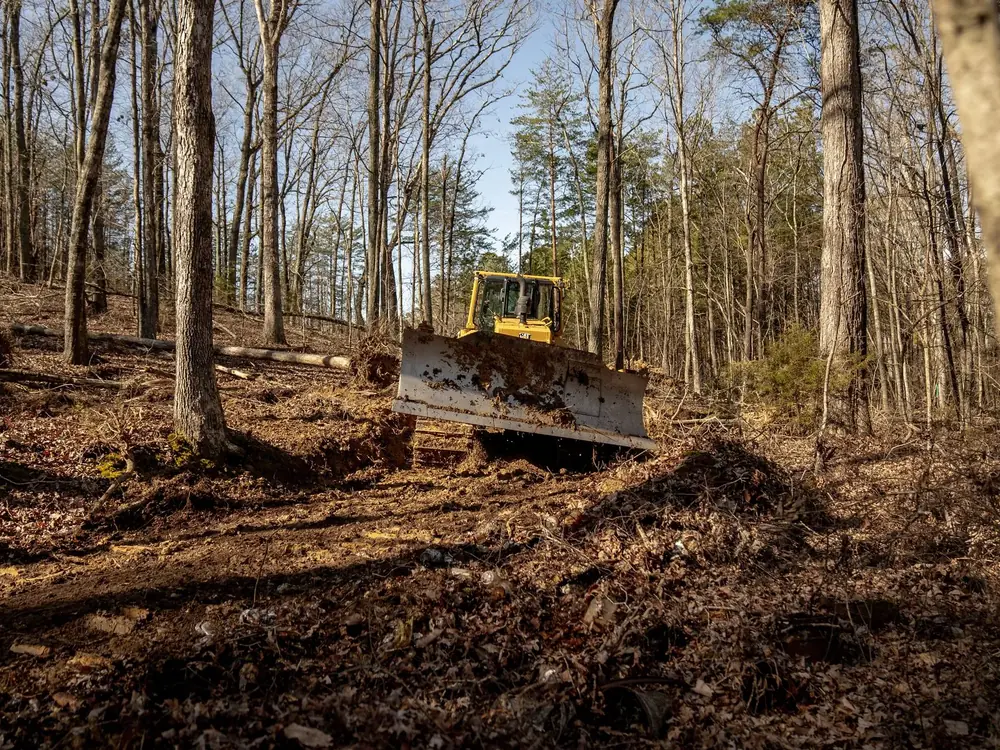
We clear ground for a new house or a shop with our own bulldozer. Brush and small trees come out with their roots, and the site is ready to grade.
Learn MoreThe septic system, the foundation, the driveway and the cistern can all come from IP Construction. So can the house.
We clear land with our own bulldozer and grade it with our own grader. A building pad gets shaped so water runs away from the house.
We look at the job before we price it. The free estimate comes to you in writing.
Send the form with the job you have in mind and where the land is. You can also call or text (808) 561-7893 for a free estimate.
Tell us about the septic system, foundation, driveway or new home and where the property is. We look at the job and put a free estimate in writing.